Your teeth are strong, but they’re not indestructible. Everyday wear, decay, or unexpected damage can weaken a tooth to the point where a simple filling is no longer enough. That’s where a dental crown comes in. Designed to restore strength, function, and appearance, crowns are one of the most reliable solutions in modern restorative dentistry.
But how do you know when you actually need one? Many patients ignore early warning signs until the damage becomes severe and more expensive to fix. In this guide, we’ll walk you through the seven clear signs you may need a dental crown, so you can take action before things worsen.
What Is a Dental Crown?
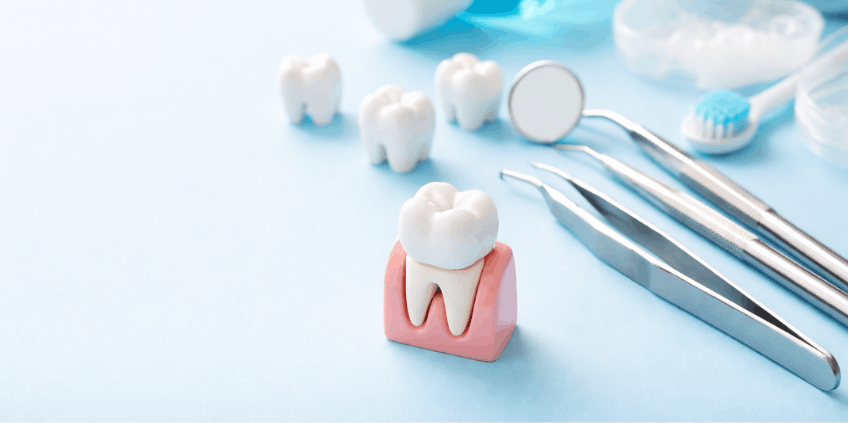
A dental crown is a custom-made cap placed over a damaged or weakened tooth to restore its shape, size, and strength. It fully covers the visible portion of the tooth above the gum line, acting as a protective shield.
Crowns are commonly used in dental crown & bridge treatments and are crafted from durable materials like porcelain or ceramic to blend seamlessly with your natural smile.
Why Dental Crowns Are Important
Ignoring a damaged tooth can lead to:
- Severe pain
- Infection
- Tooth loss
- Costly dental procedures
A timely dental crown procedure can prevent these complications while preserving your natural tooth.
7 Signs You May Need a Dental Crown
1. Persistent Tooth Pain
When discomfort doesn’t go away
If you’re experiencing ongoing tooth pain, especially when chewing or biting, it could mean your tooth is cracked, decayed, or structurally compromised.
A crown helps by:
- Protecting the damaged tooth
- Reducing pressure on sensitive areas
- Preventing further deterioration
2. A Cracked or Broken Tooth
Visible damage you shouldn’t ignore
Teeth can crack due to:
- Biting hard foods
- Accidents or trauma
- Teeth grinding (bruxism)
Even small cracks can worsen over time. A dental crown solution in Houston can hold the tooth together and restore its strength.
3. Severe Tooth Decay
When fillings are no longer enough
Fillings work well for minor cavities, but if decay becomes extensive, the tooth may not have enough structure left to support a filling.
In such cases, a dental crown installation is recommended to:
- Cover the entire tooth
- Prevent further decay
- Restore full function
4. After a Root Canal Treatment
Protecting a weakened tooth
A root canal removes infected pulp inside the tooth, which can leave it fragile and prone to fractures.
That’s why dentists often recommend placing a crown afterward. It:
- Reinforces the tooth
- Restores chewing ability
- Extends the lifespan of the treated tooth
5. Worn-Down Teeth
Damage caused by grinding or erosion
If your teeth appear shorter or flattened, it could be due to:
- Teeth grinding
- Acid erosion
- Long-term wear and tear
A crown can rebuild the tooth’s original shape and protect it from further damage.
6. Large or Failing Fillings
When old dental work starts to break down
Over time, large fillings can weaken the remaining tooth structure. You may notice:
- Cracks around the filling
- Sensitivity
- Pieces of the filling breaking off
7. Cosmetic Concerns with Damaged Teeth
Improve both function and appearance
Sometimes, a tooth may not be painful but still looks:
- Discolored
- Misshapen
- Uneven
Crowns are an excellent cosmetic solution, helping you achieve a natural, confident smile while also strengthening the tooth.
What to Expect During the Dental Crown Procedure
Step-by-Step Overview
1. Initial Consultation
Your dentist evaluates the tooth and determines if a crown is the best solution.
2. Tooth Preparation
The damaged portion is removed, and the tooth is reshaped to fit the crown.
3. Impressions
Precise molds are taken to create a custom crown.
4. Temporary Crown
A temporary crown is placed while the permanent one is being made.
5. Final Placement
The permanent crown is securely bonded, restoring full function and aesthetics.
Benefits of Getting a Dental Crown
- Restores tooth strength and durability
- Improves appearance and confidence
- Protects against further damage
- Enhances chewing and speaking ability
- Long-lasting with proper care
How to Care for Your Dental Crown
To extend the life of your crown:
- Brush and floss daily
- Avoid chewing hard objects
- Wear a night guard if you grind your teeth
- Visit your dentist regularly
With proper care, crowns can last 10–15 years or more.
When Should You See a Dentist?
If you notice any of the signs mentioned above, don’t delay treatment. Early intervention can save your tooth and prevent more complex procedures.
Frequently Asked Questions (FAQs)
1. How long does a dental crown last?
Most dental crowns last between 10 and 15 years, depending on oral hygiene and lifestyle habits.
2. Is getting a dental crown painful?
The procedure is performed under local anesthesia, making it comfortable and pain-free for most patients.
3. How much does a dental crown cost in Houston, TX?
The cost varies based on material and complexity, but your dentist can provide a personalized estimate during consultation.
4. Can a dental crown be repaired?
Yes, minor damage can often be fixed with a dental crown depending on the condition of the crown.
5. Are dental crowns better than fillings?
For severely damaged teeth, crowns are more durable and provide better long-term protection than fillings.
Your teeth play a crucial role in your daily life, from eating to speaking to smiling with confidence. Ignoring warning signs can lead to serious dental issues, but timely treatment with a dental crown can make all the difference. If you’re experiencing pain, damage, or sensitivity, it may be time to consider a professional evaluation for dental crowns treatment in Houston, TX.