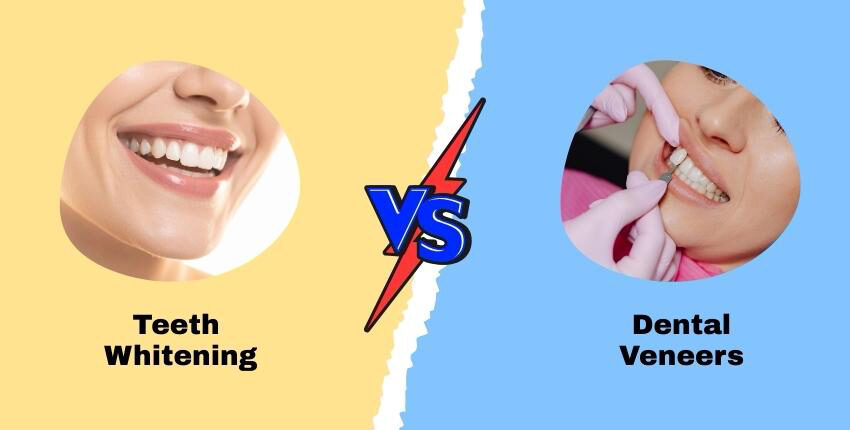
A bright, confident smile can transform how you look and feel. Thanks to modern cosmetic dentistry, improving your smile is easier and more accessible than ever. Among the most popular options are teeth whitening and dental veneers. While both treatments enhance the appearance of your teeth, they work in very different ways and are designed to address different concerns.
If you’re trying to decide between teeth whitening and veneers, this detailed guide will help you understand the differences, benefits, costs, and ideal candidates for each, so you can choose the cosmetic dentistry option that’s right for you.
Understanding Cosmetic Dentistry
Cosmetic dentistry focuses on improving the appearance of teeth, gums, and overall smile aesthetics. Unlike general dentistry, which prioritizes oral health and function, cosmetic procedures are primarily designed to enhance color, shape, alignment, and symmetry.
Two of the most commonly requested cosmetic dental treatments are:
- Teeth whitening, which improves tooth color
- Dental veneers, which transform the size, shape, and color of teeth
Although both aim to create a brighter smile, the approach, longevity, and results vary significantly.
What Is Teeth Whitening?
Teeth whitening is a non-invasive cosmetic dental procedure that lightens the color of natural teeth by removing stains and discoloration. It is one of the fastest and most affordable ways to enhance your smile.
How Teeth Whitening Works
Professional teeth whitening treatments use bleaching agents, typically hydrogen peroxide or carbamide peroxide, to break down stains on tooth enamel. These stains may be caused by:
- Coffee and tea
- Red wine
- Tobacco use
- Certain medications
- Aging
Whitening can be done in-office for immediate results or through custom take-home kits provided by a dentist.
Benefits of Teeth Whitening
- Quick and noticeable results
- Non-invasive and painless
- Affordable compared to other cosmetic procedures
- Improves confidence and smile brightness
- No alteration of natural tooth structure
Limitations of Teeth Whitening
- Does not change tooth shape or alignment
- Ineffective on crowns, veneers, or fillings
- Results are temporary and require maintenance
- May cause temporary tooth sensitivity
Teeth whitening is best for individuals with healthy teeth who want to remove surface stains and achieve a brighter smile without extensive dental work.
What Are Dental Veneers?
Dental veneers are thin, custom-made shells, usually made from porcelain or composite resin, that are bonded to the front surface of teeth. Veneers are a versatile cosmetic solution that can dramatically transform a smile.
How Veneers Work
The process typically involves:
- A cosmetic consultation and smile assessment
- Minimal enamel removal to prepare the tooth surface
- Custom fabrication of veneers
- Permanent bonding of veneers to teeth
Veneers cover imperfections rather than removing stains, making them a more comprehensive cosmetic solution.
Benefits of Dental Veneers
- Correct severe discoloration
- Improve tooth shape, size, and symmetry
- Close gaps between teeth
- Mask chips, cracks, and minor misalignment
- Long-lasting results (10–15 years with proper care)
- Highly stain-resistant, especially porcelain veneers
Limitations of Dental Veneers
- Higher upfront cost
- Irreversible procedure
- Requires enamel removal
- Repair or replacement may be needed over time
Veneers are ideal for patients seeking a dramatic and long-term smile makeover rather than a simple color enhancement.
Which Option Is Right for You?
Choosing between teeth whitening and veneers depends on your smile concerns, budget, and expectations.
Teeth Whitening Is Right for You If:
- Your teeth are healthy and well-aligned
- Discoloration is caused by food, drinks, or aging
- You want a quick cosmetic improvement
- You prefer a conservative, reversible treatment
- You’re working within a limited budget
Veneers Are Right for You If:
- You have deep or intrinsic stains that don’t respond to whitening
- Your teeth are chipped, worn, or uneven
- You want to close gaps or improve tooth symmetry
- You desire a long-lasting cosmetic solution
- You’re seeking a complete smile transformation
A cosmetic dentist can evaluate your oral health and recommend the best treatment based on your unique needs.
Cost Comparison: Whitening vs. Veneers
Cost is often a deciding factor in cosmetic dentistry.
Teeth Whitening Costs
Professional whitening treatments typically cost less and may vary depending on whether the procedure is performed in-office or at home under dental supervision.
Dental Veneers Costs
Veneers are more expensive due to customization, materials, and laboratory work. However, their durability and transformative results often justify the investment for many patients.
Longevity and Maintenance
Maintaining Teeth Whitening Results
- Avoid staining foods and beverages
- Practice good oral hygiene
- Use touch-up whitening treatments as recommended
- Schedule regular dental cleanings
Maintaining Dental Veneers
- Brush and floss daily
- Avoid biting hard objects
- Wear a night guard if you grind your teeth
- Visit your dentist regularly for checkups
Proper care ensures that both treatments maintain their appearance and function over time.
Can You Combine Teeth Whitening and Veneers?
Yes. In many smile makeover cases, cosmetic dentists recommend whitening natural teeth first before placing veneers. This ensures color consistency, especially if veneers are placed on only a few teeth.
Combining treatments can provide a balanced, natural-looking smile with optimal aesthetic results.
Frequently Asked Questions
1. Is teeth whitening safe for my teeth?
Yes, professional teeth whitening is safe when performed or supervised by a dentist.
2. How long do teeth whitening results last?
Results can last from several months to a few years with proper oral care and maintenance.
3. Do dental veneers damage natural teeth?
Veneers require minimal enamel removal, but they do not damage teeth when placed correctly.
4. Can veneers be whitened later?
No, veneers do not respond to whitening treatments and may need replacement for color changes.
5. Which lasts longer—whitening or veneers?
Dental veneers last significantly longer, often 10–15 years, while whitening needs touch-ups.
6. Are veneers more expensive than teeth whitening?
Yes, veneers cost more due to customization and long-term results.
Both teeth whitening and dental veneers are excellent cosmetic dentistry options—but they serve different purposes. Teeth whitening is ideal for patients seeking a fast, affordable brightness boost, while veneers offer a comprehensive solution for more complex cosmetic concerns.
The best way to decide is through a professional cosmetic dental consultation. A personalized evaluation by the best cosmetic dentist in Houston, TX, 77074 will help determine which treatment aligns with your smile goals, oral health, and lifestyle.
Ready to Transform Your Smile?
If you’re considering cosmetic dentistry, consult an experienced cosmetic dentist to explore teeth whitening, veneers, or a customized smile makeover plan. With the right treatment, your confident, radiant smile is closer than you think.