A healthy, confident smile is more than just a cosmetic feature; it plays a vital role in your overall well-being. From proper chewing and speech to boosting self-esteem, your teeth’s alignment affects multiple aspects of daily life. However, many people delay or ignore early warning signs that indicate the need for orthodontic treatment, assuming it’s only about looks.
In reality, orthodontics is about both function and beauty, contributing significantly to health and aesthetics in smile makeovers. Whether you’re a teenager, an adult, or a parent concerned about your child’s dental health, recognizing the signs early can help you avoid more complex dental issues down the road.
What Is Orthodontic Treatment and Why Does It Matter?
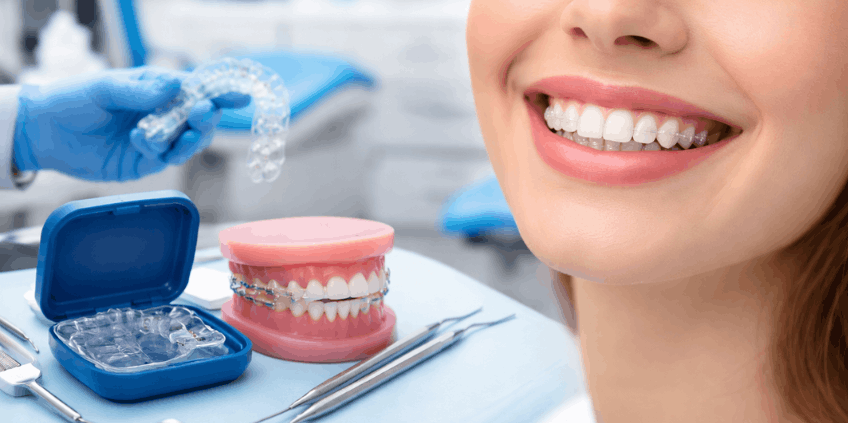
Orthodontic treatment focuses on diagnosing, preventing, and correcting misaligned teeth and jaw irregularities. Treatments such as braces and clear aligners help guide teeth into proper alignment over time.
Why It’s Important
- Improves oral hygiene by making teeth easier to clean
- Prevents excessive wear on teeth
- Reduces the risk of gum disease and cavities
- Enhances speech and chewing function
- Boosts confidence with a well-aligned smile
Orthodontics is not just cosmetic; it’s a key component of long-term dental health.
Top Signs You Need Orthodontic Treatment
Recognizing the early signs can save you from discomfort, costly treatments, and long-term dental problems. Here are the most common indicators:
1. Crooked or Crowded Teeth
If your teeth overlap, twist, or appear crowded, it’s a strong sign you may need orthodontic treatment.
Why It Matters
- Difficult to clean properly
- Higher risk of plaque buildup and cavities
- Can lead to gum disease
Braces or clear aligners can gradually straighten teeth, improving both appearance and oral hygiene.
2. Gaps Between Teeth
While some gaps may seem harmless, excessive spacing can affect both function and aesthetics.
Potential Issues
- Food gets trapped easily
- Increased risk of gum problems
- Uneven bite pressure
Closing gaps is an important step in achieving a balanced smile and supporting health and aesthetics in smile makeovers.
3. Bite Problems (Malocclusion)
Misaligned bites can take several forms:
Types of Bite Issues
- Overbite: Upper teeth overlap lower teeth
- Underbite: Lower teeth extend beyond upper teeth
- Crossbite: Teeth don’t align properly when biting
- Open bite: Front teeth don’t touch when the mouth is closed
Why You Shouldn’t Ignore It
- Causes jaw pain and discomfort
- Leads to uneven tooth wear
- Affects chewing and speech
Orthodontic solutions like braces are highly effective in correcting these issues.
4. Jaw Pain or Frequent Headaches
Persistent jaw discomfort or headaches can sometimes be linked to misaligned teeth or bite problems.
Signs to Watch
- Clicking or popping sounds in the jaw
- Pain while chewing
- Frequent tension headaches
Orthodontic care can help align your bite, reducing strain on the jaw muscles.
5. Difficulty Chewing or Speaking
If you struggle to chew food properly or notice speech issues, it may be due to alignment problems.
Common Symptoms
- Biting the inside of your cheeks frequently
- Trouble pronouncing certain words
- Uneven chewing patterns
Correcting alignment improves functionality and overall comfort.
6. Teeth Grinding or Clenching (Bruxism)
Grinding your teeth, especially at night, can be a sign of underlying alignment issues.
Risks of Ignoring It
- Tooth wear and damage
- Jaw pain
- Increased sensitivity
Orthodontic treatment can help correct the root cause, protecting your teeth in the long run.
7. Shifting Teeth Over Time
Even if your teeth were once straight, they can shift due to aging, tooth loss, or lack of retainer use.
Why It Happens
- Natural aging process
- Changes in jaw structure
- Previous orthodontic relapse
Seeking timely orthodontic treatment can help maintain your smile.
8. Early or Late Loss of Baby Teeth (In Children)
For parents, monitoring your child’s dental development is crucial.
Warning Signs
- Baby teeth fall out too early or too late
- Permanent teeth erupt in the wrong position
Early intervention can guide proper alignment and prevent future complications.
When Should You See an Orthodontist?
You don’t need to wait for severe symptoms to appear. It’s recommended to see an orthodontist if:
- Do you notice any of the signs mentioned above
- Your dentist recommends an evaluation
- Your child is around age 7 (early assessment stage)
Early diagnosis allows for simpler, more effective treatment.
Orthodontic Treatment Options Available
Modern dentistry offers a variety of solutions tailored to different needs and lifestyles:
1. Traditional Braces
- Effective for complex cases
- Durable and reliable
- Suitable for all age groups
2. Ceramic Braces
- Tooth-colored for a subtle appearance
- Popular among teens and adults
3. Clear Aligners
- Nearly invisible
- Removable and comfortable
- Ideal for mild to moderate alignment issues
Each option contributes to both health and aesthetics in smile makeovers, giving patients flexibility and confidence.
Choosing the Right Provider Matters
When considering orthodontic care, it’s important to select a trusted and experienced provider. If you’re searching for an affordable dentist in Houston, TX, look for a practice that offers:
- Advanced diagnostic technology
- Customized treatment plans
- Flexible payment options
- A patient-focused approach
This ensures you receive high-quality care that fits your budget and lifestyle.
The Long-Term Benefits of Orthodontic Treatment
Investing in orthodontics offers lifelong advantages:
- Healthier teeth and gums
- Reduced risk of dental complications
- Improved bite and jaw function
- Enhanced facial aesthetics
- Boosted self-confidence
Orthodontic care is not just an expense; it’s an investment in your overall health.
Frequently Asked Questions (FAQs)
1. How do I know if I need orthodontic treatment?
If you have crooked teeth, bite issues, jaw pain, or difficulty chewing, you may need orthodontic treatment. A consultation with an orthodontist can confirm this.
2. Are braces only for kids and teens?
No, adults can also benefit from braces or clear aligners. Orthodontic treatment is effective at any age.
3. How long does orthodontic treatment take?
Treatment duration varies but typically ranges from 12 to 24 months, depending on the complexity of the case.
4. Is orthodontic treatment painful?
You may experience mild discomfort initially, but modern techniques make treatment more comfortable than ever.
5. What is the best age to see an orthodontist?
Children should have their first evaluation by age 7, but treatment can begin at any age if needed.
6. Can orthodontic treatment improve overall health?
Yes, properly aligned teeth reduce the risk of cavities, gum disease, and jaw problems.
Your smile deserves attention and care. Ignoring early warning signs can lead to more serious dental problems in the future. Whether it’s crooked teeth, jaw discomfort, or bite issues, seeking timely orthodontic treatment can make a world of difference.
From improving daily function to enhancing your appearance, treatments like braces play a crucial role in achieving a complete smile transformation.
If you’re experiencing any of these symptoms, now is the perfect time to consult an expert and take the first step toward a healthier, more confident smile.
Ready to Transform Your Smile?
Don’t wait for small issues to become major problems. Schedule your consultation today with a trusted dental professional and explore personalized orthodontic solutions designed just for you.
Your perfect smile and better oral health start here.
At Creative Smiles, you’ll receive personalized care, advanced treatment options like braces and clear aligners, and a team that genuinely cares about your comfort and results. If you’re searching for an affordable dentist in Houston, TX, Creative Smiles is your trusted destination for achieving both health and aesthetics in smile makeovers.