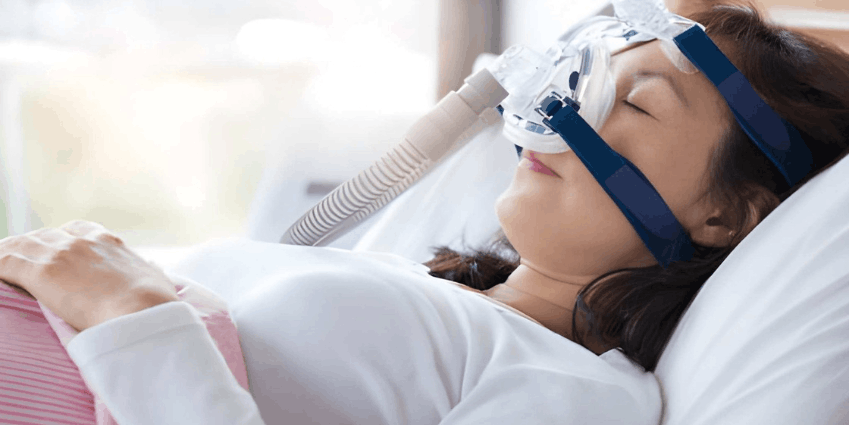
Sleep is supposed to restore your body and mind, but for millions of people, it becomes a nightly struggle. Waking up tired, dealing with headaches, or feeling drained throughout the day could be more than just poor sleep habits. It may point to a serious condition that often goes unnoticed: sleep apnea.
While many people associate this condition with sleep specialists, what often surprises patients is how significantly dentists contribute to diagnosing and managing it. In fact, modern dentistry has become an essential part of sleep apnea treatment.
We’ll explore how dentists are transforming the way this condition is identified and managed and why visiting your dentist might be the first step toward better sleep and overall health.
Understanding Sleep Apnea and Its Impact
Sleep apnea is a disorder where breathing repeatedly stops and starts during sleep due to airway obstruction. These interruptions can occur dozens or even hundreds of times per night, often without the person realizing it.
Common Signs You Shouldn’t Ignore
Many people live with symptoms for years before seeking help. Some of the most common warning signs include:
- Loud snoring
- Gasping or choking during sleep
- Morning headaches
- Dry mouth upon waking
- Daytime fatigue
- Difficulty concentrating
Over time, untreated sleep apnea can contribute to serious health issues such as high blood pressure, heart disease, diabetes, and even cognitive decline.
Why Dentists Are Important in Sleep Apnea Care
You might wonder, why a dentist?
The answer lies in anatomy. Dentists specialize in the structure and function of the mouth, jaw, and airway. Because airway obstruction often begins in the oral cavity, professional dentists are uniquely positioned to detect early signs.
Early Detection During Routine Dental Visits
During a standard checkup, dentists don’t just examine teeth and gums. They also evaluate:
- Jaw alignment
- Tongue size and position
- Airway space
- Signs of teeth grinding (bruxism)
These indicators can reveal underlying issues related to sleep-disordered breathing. Early detection can make a significant difference in preventing complications.
Dental Solutions for Better Sleep
Dentists today offer non-invasive and highly effective options that can significantly improve sleep quality.
Oral Appliance Therapy Explained
One of the most widely used dental approaches involves custom-made oral appliances. These devices are designed to:
- Reposition the lower jaw
- Keep the airway open during sleep
- Reduce breathing interruptions
Unlike bulky machines, these appliances are compact, comfortable, and easy to use, making them a preferred option for many patients.
A Comfortable Alternative to CPAP
Continuous Positive Airway Pressure (CPAP) machines are commonly prescribed, but not everyone can tolerate them. Dentists provide alternatives that are:
- Quiet and travel-friendly
- Easy to maintain
- Tailored to fit each patient
This personalized approach often leads to better compliance and long-term success.
The Collaborative Approach to Care
Dentists don’t work alone when it comes to managing sleep disorders. They collaborate closely with sleep physicians to ensure accurate diagnosis and effective treatment.
What the Process Looks Like
Here’s what patients can typically expect:
- Initial screening during a dental visit
- Referral for a sleep study if needed
- Diagnosis by a sleep specialist
- Custom oral appliance fitting by the dentist
- Ongoing adjustments and follow-ups
This team-based approach ensures that patients receive comprehensive care tailored to their specific needs.
Benefits of Choosing a Dentist for Treatment
Seeking help from a dentist offers several advantages that go beyond convenience.
Personalized and Patient-Centered Care
Dentists focus on creating customized solutions that fit your lifestyle and comfort level. This means:
- Better fit and effectiveness
- Fewer side effects
- Improved sleep quality
Non-Invasive Treatment Options
For patients hesitant about surgery or struggling with CPAP, dental solutions provide a less intimidating path to recovery.
Improved Overall Health
By addressing airway issues, patients often experience:
- Increased energy levels
- Better concentration
- Reduced risk of chronic diseases
When Should You See a Dentist?
If you experience persistent fatigue, disrupted sleep, or notice symptoms mentioned earlier, it’s time to take action.
Don’t Wait for Symptoms to Worsen
Many people delay seeking help, assuming their condition isn’t serious. However, early intervention can prevent long-term health complications and significantly improve quality of life.
Building Trust Through Expertise and Experience
Dentists trained in dental sleep medicine bring a high level of expertise to patient care. Their understanding of oral anatomy, combined with hands-on experience in creating custom devices, ensures safe and effective outcomes.
Patients benefit from:
- Evidence-based treatment plans
- Continuous monitoring and adjustments
- Clear communication and education
This commitment to patient care builds trust and confidence, two essential components of successful dental treatment.
Frequently Asked Questions (FAQs)
Can a dentist really help with sleep apnea?
Yes, dentists trained in dental sleep medicine can identify symptoms and provide effective solutions like oral appliances that improve airflow during sleep.
Are oral appliances comfortable to wear?
Most patients find them comfortable after a short adjustment period. They are custom-made to fit your mouth, ensuring ease of use.
How is this different from traditional sleep apnea treatment?
Dental solutions focus on repositioning the jaw to keep the airway open, offering a non-invasive alternative to machines or surgery.
Will this help reduce snoring?
Yes, by improving airflow and preventing airway collapse, oral appliances can significantly reduce or eliminate snoring.
Do I need a sleep study before treatment?
In most cases, yes. A sleep study helps confirm the diagnosis and determine the severity of the condition.
Sleep disorders can quietly impact every aspect of your life, from your health to your productivity and mood. The good news is that help may be closer than you think.
If you’re tired of restless nights and low-energy days, it’s time to take the first step toward better sleep. Looking for Sleep apnea treatment in Houston, TX, Visit us, as our team is dedicated to providing personalized, comfortable solutions that truly make a difference.
Schedule your consultation today and discover how expert dental care can help you breathe easier, sleep better, and live healthier.