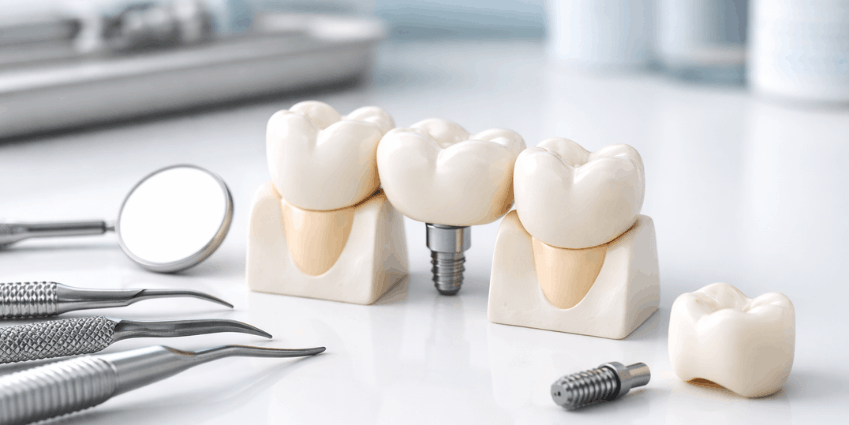
Losing a tooth can feel like more than just a cosmetic issue; it can impact how you eat, speak, and even how confident you feel in everyday life. Whether it’s due to decay, injury, or gum disease, missing teeth should never be ignored. The good news? Modern dentistry offers fast, effective solutions to restore your smile, and dental bridges are one of the most reliable options available.
If you’re looking for a quick and natural-looking way to replace missing teeth, dental bridges could be exactly what you need. Let’s explore how they work, why they’re effective, and how they can help you regain your smile faster than you might expect.
What Are Dental Bridges?
A dental bridge is a fixed restoration used to replace one or more missing teeth. It works by “bridging” the gap between healthy teeth using artificial teeth (called pontics), which are supported by crowns placed on the adjacent teeth.
These bridges are typically made from durable materials like porcelain or ceramic, designed to blend seamlessly with your natural teeth. The result is a restoration that looks, feels, and functions like your original smile.
Why Replacing Missing Teeth Matters
It’s easy to delay treatment when a missing tooth doesn’t cause immediate pain. However, leaving gaps in your smile can lead to several long-term issues:
- Shifting of nearby teeth
- Difficulty chewing certain foods
- Changes in speech
- Jawbone deterioration over time
- Increased risk of gum disease
Replacing missing teeth promptly helps maintain both your oral health and facial structure. Dental bridges provide a fast and effective way to prevent these complications.
How Dental Bridges Restore Your Smile Fast
One of the biggest advantages of dental bridges is how quickly they can transform your smile. Unlike some other treatments that may take months, bridges can often be completed in just a couple of visits.
1. Quick Treatment Timeline
Most dental bridge procedures are completed within 1–2 weeks, depending on your specific needs.
2. Immediate Functional Improvement
Once placed, bridges restore your ability to chew and speak properly almost instantly.
3. Natural Appearance
Modern materials ensure your bridge matches the color, shape, and size of your natural teeth.
4. Minimally Invasive Option
Compared to dental implants, bridges typically require less time and no surgery, making them a preferred choice for many patients.
Types of Dental Bridges
Understanding your options can help you make an informed decision. Your dentist will recommend the best type based on your oral health and goals.
Traditional Dental Bridges
The most common type, supported by crowns on both sides of the missing tooth.
Maryland Bridges
Uses a metal or porcelain framework bonded to the back of adjacent teeth, ideal for front teeth.
Implant-Supported Bridges
Anchored by dental implants for enhanced stability and durability.
Each option has its own advantages, and your dentist will guide you toward the most suitable solution.
The Dental Bridge Procedure: What to Expect
If you’re considering dental bridges, knowing the process can help ease any concerns.
Step 1: Initial Consultation
Your dentist evaluates your oral health, takes X-rays, and discusses your treatment plan.
Step 2: Tooth Preparation
The adjacent teeth are reshaped to accommodate dental crowns that will support the bridge.
Step 3: Impressions and Temporary Bridge
Impressions are taken to create a custom-fit bridge. A temporary bridge may be placed to protect your teeth.
Step 4: Final Placement
Once your permanent bridge is ready, it is securely fitted and adjusted for comfort and function.
The entire process is designed to be efficient while ensuring long-lasting results.
Caring for Your Dental Bridge
A dental bridge can last many years with proper care. Maintaining good oral hygiene is essential to protect both the bridge and your surrounding teeth.
Here are some simple tips:
- Brush twice daily with fluoride toothpaste
- Floss around the bridge using special tools if needed
- Avoid chewing hard or sticky foods
- Visit your dentist regularly for check-ups
If you experience any damage or discomfort, timely dental crown repair can help maintain the integrity of your restoration and prevent further issues.
Are Dental Bridges Right for You?
Dental bridges are an excellent option for many patients, especially those who:
- Have one or more missing teeth
- Prefer a non-surgical solution
- Want faster results compared to implants
- Have healthy adjacent teeth to support the bridge
However, every smile is unique. A personalized consultation is the best way to determine if this treatment is right for you.
Frequently Asked Questions (FAQs)
1. How long do dental bridges last?
With proper care, dental bridges can last 10–15 years or even longer.
2. Are dental bridges painful?
The procedure is generally comfortable and any mild discomfort is temporary.
3. Can I eat normally with a dental bridge?
Yes, once adjusted, you can enjoy most foods without difficulty.
4. How do I clean under a dental bridge?
Special floss or interdental brushes can help clean hard-to-reach areas.
5. Are dental bridges better than implants?
It depends on your needs. Bridges are faster and less invasive, while implants offer long-term stability.
Living with missing teeth doesn’t have to be your reality. Dental bridges offer a fast, effective, and natural-looking solution that restores both function and confidence.
For patients seeking professional care, services like a prosthodontist in Houston, TX, ensure your dental work stays in excellent condition for years to come.
Schedule your consultation today and discover how dental bridges can transform your smile quickly and comfortably.
Your journey to a complete, confident smile starts now.